

What is A Hiring Process ?
What is a Hiring Process?
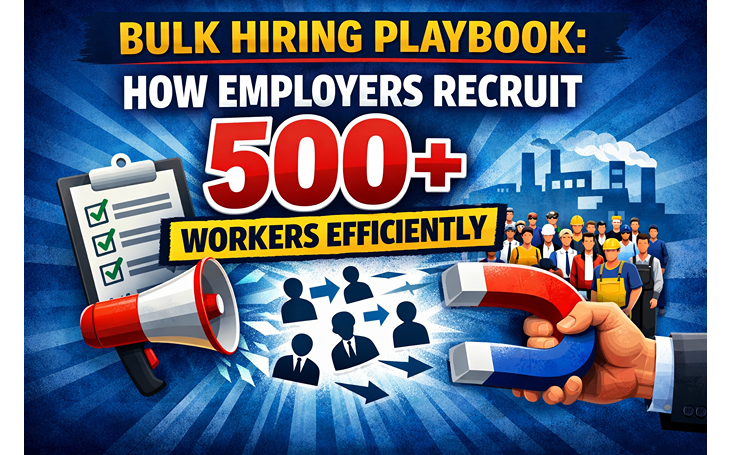
An efficient and effective hiring process is a step by step approach to hiring a new employee. It involves identifying talent needs, recruiting candidates, and selecting the most qualified individual. While each company may follow a unique approach, most hiring processes share common stages regardless of industry or size.
15 Steps of the Hiring Process
1. Identify the Hiring Need
The process begins by identifying a need within the organization. This may involve replacing a departing employee, managing workload, or expanding operations.
2. Devise a Recruitment Plan
Once the need is identified, a recruitment strategy is developed. This includes defining the role, aligning it with business goals, selecting communication channels, and planning the interview process.
3. Write a Job Description
A detailed job description is created, outlining responsibilities, required qualifications, experience, and compensation details.
4. Advertise the Position
The role is shared internally and externally through company websites, social media, job portals, and referrals to attract suitable candidates.
5. Recruit Candidates
Recruiters actively reach out to potential candidates through platforms and networks to attract individuals who may not be actively job searching.
6. Review Applications
Applications are screened to shortlist candidates who meet the required qualifications and criteria.
7. Initial Screening
Initial interviews, often conducted via phone, help assess basic qualifications, communication skills, and cultural fit.
8. Interviews
Shortlisted candidates go through one or more interview rounds. These may involve hiring managers, team members, or leadership to evaluate skills, experience, and suitability.
9. Applicant Assessment
Candidates may be required to complete tests that evaluate technical skills, problem solving ability, and other relevant competencies.
10. Background Check
Background verification ensures the accuracy of candidate information, including employment history and credentials.
11. Decision
The hiring team selects the most suitable candidate and may also identify a backup option if needed.
12. Reference Check
References are contacted to verify past performance, behavior, and professional experience.
13. Job Offer
An offer is extended to the selected candidate, including details on salary, benefits, and employment terms. Negotiations may take place at this stage.
14. Hiring
Once the candidate accepts the offer, documentation and formal employment procedures are completed.
◾ Employment forms and documentation
◾ Compliance and verification processes
◾ Employee handbook and onboarding checklist
15. Onboarding
Onboarding ensures a smooth transition into the organization. This includes orientation, workspace setup, introductions, and ongoing support to help the employee succeed.
Plan Your Own Hiring Process
A structured hiring process is essential for organizational success. It helps in identifying the right candidates, improving efficiency, and maintaining consistency. The process continues beyond hiring, as effective onboarding plays a key role in long term employee success and retention.
Partnering with
GILS pvt ltd
can help streamline your hiring process and ensure better workforce outcomes.
Stay connected with us on
Linkedin
for more updates and insights.