The Role of GILS in Supporting Government Workforce Mobility Initiatives
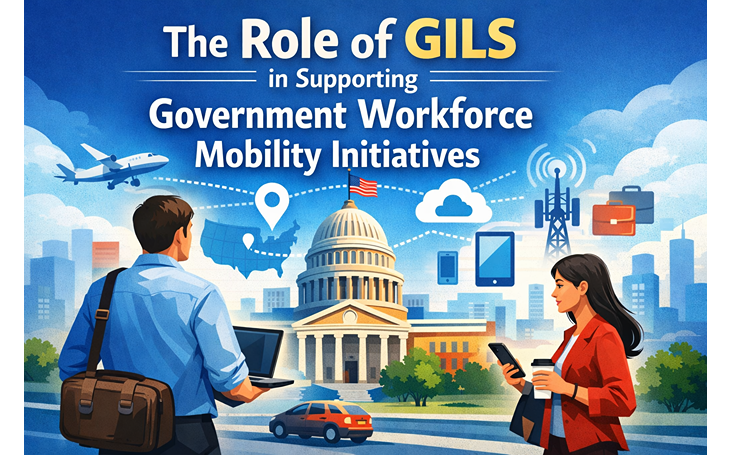
India has a long history of contributing manpower to the global economy. From construction projects in the Middle East to healthcare services in Europe and hospitality roles on cruise liners, Indian workers play a major role in worldwide industries. Government initiatives encourage this mobility because it strengthens employment opportunities, develops skills and brings foreign income into the country. For these programs to succeed, the recruitment process must be transparent, ethical and well-managed. This is where experienced manpower agencies play their part.
Why Workforce Mobility Matters
Workforce mobility helps workers use their skills beyond borders. It allows them to access higher wages, better training and advanced technology. The country benefits too. Remittances support families, stimulate local economies and uplift entire communities. Skilled professionals who return home bring global exposure and help upgrade domestic industries.
Governments often develop bilateral partnerships to protect workers and ensure safe migration. These agreements set standards for contracts, wages, compliance and recruitment practices. The more organized the system, the more opportunities open up for workers.
How Recruitment Agencies Enable Mobility
Government policies alone cannot move talent across markets. Employers need the right candidates and workers need clear guidance. Agencies act as the connecting backbone. They identify job roles abroad, shortlist suitable talent and ensure compliance with local laws. The best agencies do not simply forward documents. They prepare workers step by step so that they succeed after deployment.
A worker who is informed about rules, culture, safety and rights is less likely to face exploitation. Agencies create this awareness, which supports government efforts to protect citizens overseas.
GILS and Its Contribution to Mobility Programs
GILS aligns with the key goals of national workforce mobility. It focuses on building talent pipelines rather than short-term placements. The agency works with employers, training institutes and project owners to ensure workers meet international expectations. It evaluates skills, supports trade tests and promotes transparent communication.
GILS also prioritizes compliance. Workers receive proper job descriptions, contract details and role briefings before they travel. This prevents misunderstandings and reduces early dropouts. For governments, this is important because stable employment strengthens India’s image in foreign markets.
Matching Skilled Talent with Global Demand
Countries like Saudi Arabia, UAE and Qatar have large infrastructure, industrial and service sectors. Germany, the UK and parts of Eastern Europe continue to look for healthcare, mechanical and technical talent. These markets require workers who are trained, disciplined and willing to adapt.
GILS gathers industry-specific manpower data and identifies skill clusters that can be mobilized. For example, a surge in facility management roles may require electricians, HVAC technicians and cleaning crews. GILS acts as the bridge, providing the right manpower at the right time.
This type of matchmaking supports national goals by pushing Indian talent into high-demand areas, reducing unemployment and creating long-term job pathways.
Compliance and Ethical Migration
Government mobility initiatives depend on transparency. Workers should not face unfair recruitment fees, fake contracts or unclear job terms. Ethical recruitment ensures equal respect for employers and candidates.
GILS promotes structured documentation, authentic job orders and fair selection. Workers receive guidance on visas, medical checks, legal obligations and country-specific rules. This reduces risk and encourages international employers to continue hiring from India.
When workers are placed ethically, they stay longer in their jobs. They earn steady wages, send remittances home and later help their peers explore mobility options. This creates a positive cycle that supports national development.
Building a Skilled Export Workforce
Workforce mobility is not just about filling vacancies abroad. It is about creating a talent ecosystem that can evolve. Indian workers who travel once often return with new qualifications and seek redeployment into better roles. Agencies like GILS understand this progression and help them prepare for the next opportunity.
Skill mapping, training advisory and exposure to emerging markets allow workers to scale their careers. This creates a globally competitive workforce and strengthens India’s standing as a trusted human capital partner.
Final Thoughts
Government-led mobility initiatives work best when backed by responsible recruitment. Workers must be placed with clarity and dignity. Employers must receive the skills they need. Agencies like
GILS Pvt Ltd
help balance these interests and support a larger purpose. The result is sustainable manpower mobility that benefits workers, industries and the nation.
Check us out on
LinkedIn
.