

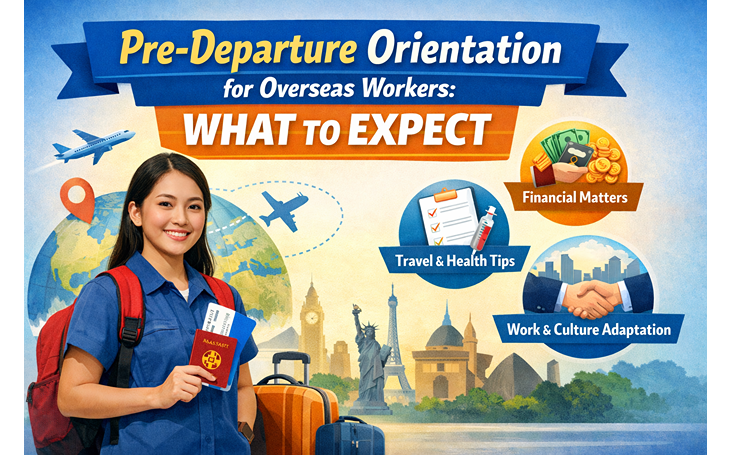
Pre-Departure Orientation for Overseas Workers: What to Expect
Travelling abroad for work is a major step in a worker’s life. While the promise of better income and career growth is motivating, entering a new country comes with its own challenges. This is why pre-departure orientation has become an essential part of overseas recruitment. It prepares workers with the knowledge, confidence and practical skills they need before they travel.
A well structured orientation helps workers understand job expectations, cultural norms, safety practices and legal rights in the destination country. It reduces confusion during the first few weeks of employment and helps them adjust smoothly.
Why Pre-Departure Orientation Matters
Many workers face difficulties not because of the job itself but due to unfamiliar surroundings, workplace rules or cultural differences. Pre-departure guidance prevents these issues by giving workers clear instructions about what to expect.
Orientation improves confidence, reduces anxiety and helps workers make informed decisions. It also protects them from misinformation or false promises that sometimes cause trouble after arrival.
Key Components of a Pre-Departure Orientation
A complete orientation program covers several important topics that prepare workers for their overseas journey:
1. Job Responsibilities and Worksite Expectations
Workers are briefed about their role, duty hours, tools they will use, work processes and reporting structure. This ensures they know exactly what the job requires before they leave India.
They are also informed about expected performance standards, company policies and basic workplace communication.
2. Cultural Awareness and Workplace Behaviour
Every country has its own way of life. Understanding culture helps workers avoid misunderstandings and adapt faster. During orientation, workers learn about:
• local customs and daily routines
• communication styles
• dress code
• behaviour considered respectful or inappropriate
• basic phrases in the local language
These small lessons make a big difference in helping workers settle into a new environment.
3. Safety Training and Worksite Rules
Safety is one of the most important topics in any overseas job. Workers are trained in:
• personal protective equipment (PPE)
• hazard awareness
• emergency procedures
• safe tool handling
• reporting unsafe conditions
This training ensures they are ready to follow international safety standards from day one, which helps prevent accidents on site.
4. Legal Rights and Worker Protection
Understanding legal rights gives workers confidence and security. Orientation explains:
• contract terms
• salary structure
• working hours
• grievance procedures
• dispute resolution channels
• rules regarding passport and documentation
• lawful deductions, if any
Workers also learn how to contact local authorities or embassies in case of emergencies.
5. Documentation and Travel Guidance
Before travelling, workers receive help with:
• visa and passport checks
• medical fitness reports
• insurance details
• flight instructions
• baggage rules
• immigration procedures
Clear instructions help workers avoid last minute problems at airports or immigration checkpoints.
6. Accommodation and Living Conditions
Workers are told what to expect at their accommodation, including:
• room sharing arrangements
• food options
• transport facilities
• local laws and lifestyle norms
This helps them mentally prepare for life abroad and adapt quickly after arrival.
7. Financial Planning and Remittance Guidance
Orientation often includes simple advice about managing money overseas. Workers learn about:
• setting up bank accounts
• remitting wages safely
• basic budgeting
• avoiding unnecessary expenses
This helps them build savings and support their families effectively.
How Agencies Support Pre-Departure Orientation
A professional recruitment agency ensures every worker receives structured and accurate training. Agencies guide workers through each step, answer questions and provide practical tips based on real project experience. This makes deployment smoother and reduces the risk of miscommunication between workers and employers.
Conclusion
Pre-departure orientation equips overseas workers with the knowledge and confidence they need to succeed in another country. With training in job responsibilities, safety, cultural behaviour and legal rights, workers are better prepared for a successful international career. A well informed worker adapts faster, performs better and enjoys a safer, more secure experience abroad.
Get more insights on
GILS Pvt Ltd
.
Check us out on
LinkedIn
.