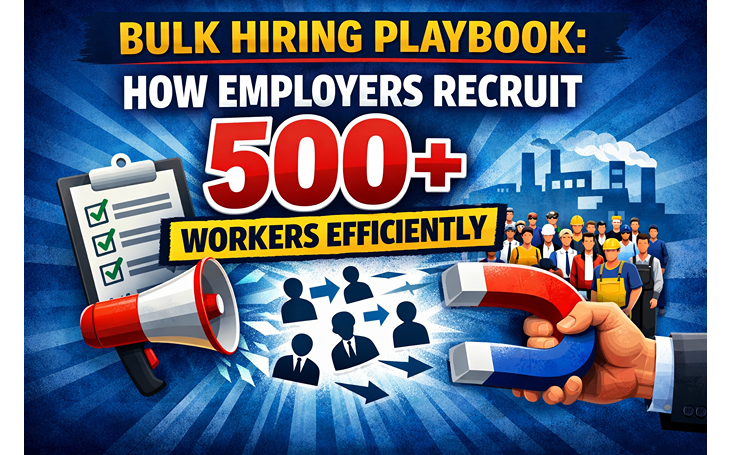


How HR outsourcing increases employee engagement
Human resources outsourcing has become a strategic solution for organizations aiming to improve efficiency, reduce costs, and enhance overall performance. While there is a perception that outsourcing HR functions may negatively impact employee engagement, experience shows that when implemented effectively, it can significantly improve engagement.
Employee Engagement
Employee engagement reflects how committed and connected employees feel toward their organization. In today’s competitive environment, it plays a critical role in business success and is considered a top priority by many leaders.
Research highlights several key outcomes influenced by employee engagement:
◾ Absenteeism
◾ Customer loyalty and engagement
◾ Participation
◾ Productivity
◾ Profitability
◾ Quality and defects
◾ Safety incidents
◾ Shrinkage and theft
◾ Turnover
◾ Wellbeing
Benefits of Employee Engagement
High employee engagement leads to better retention, reduced absenteeism, improved performance, and higher customer satisfaction. Engaged employees often become strong advocates for the organization, helping attract top talent and strengthen overall brand value.
How Employees Feel Engaged
Employee engagement is driven by clear communication, trust, collaboration, shared goals, and a sense of purpose. Employees value recognition, respect, and opportunities to contribute meaningfully to the organization.
HR Outsourcing and Employee Engagement
HR outsourcing can enhance employee engagement in several ways:
◾Increased Focus on Core Activities
Outsourcing routine tasks such as payroll, compliance, and administration allows HR teams to focus on strategic initiatives like employee development and wellbeing.
◾Efficient and Timely Processes
Accurate payroll, smooth onboarding, and effective performance management improve employee satisfaction and build trust within the organization.
◾Access to Specialized Expertise
Outsourcing partners bring knowledge of modern HR practices, technologies, and compliance requirements, ensuring employees receive expert support.
◾Streamlined Recruitment and Onboarding
Improved hiring processes and structured onboarding programs enhance the employee experience and help new hires integrate effectively.
◾Scalability and Flexibility
Outsourcing enables organizations to scale HR functions according to changing workforce needs, ensuring adaptability and responsiveness.
◾Enhanced Communication
Modern communication tools help keep employees informed and engaged, fostering transparency and a sense of belonging.
◾ Cost Savings for Strategic Initiatives
Savings from outsourcing can be reinvested into employee engagement programs such as training, wellness initiatives, and recognition systems.
HR Outsourcing Service Providers
There are three main types of HR outsourcing providers:
◾Professional Employer Organization Provides comprehensive HR services while sharing certain responsibilities.
◾Administrative Services Organization Supports HR functions such as payroll and compliance without assuming liabilities.
◾Business Process Outsourcing Handles specific business operations, including HR, finance, and customer support.
Challenges of HR Outsourcing
Despite its advantages, some organizations may face challenges:
◾Reduced Control Some organizations may feel a lack of direct oversight when outsourcing HR tasks.
◾Finding the Right Partner Identifying a provider that understands specific business needs can take time.
However, these challenges can be addressed with proper planning and the right partnership approach. HR outsourcing continues to support organizations in building engaged, productive, and adaptable workforces.
Explore our HR outsourcing solutions at
GILS Pvt Ltd
.
Stay connected with us on
Linkedin
.