
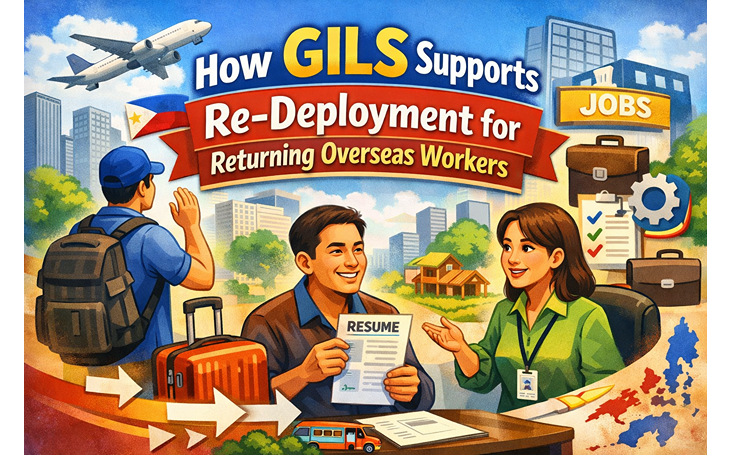
How GILS Supports Re-Deployment for Returning Overseas Workers
Many overseas workers return home after the end of a contract. Some come back due to project completion, company restructuring or family reasons. After spending years working in Saudi Arabia, UAE, Qatar or other markets, they gain valuable skills. Yet when they return, they often face a challenge. How do they rejoin the overseas workforce again without starting from zero?
Redeployment services solve this gap. A professional recruitment partner helps returning workers secure new roles by leveraging their past experience, documents and references. GILS focuses on this segment because these candidates already know how global workplaces function.
Why Returning Workers Are Valuable to Employers
Workers who have completed one or more overseas contracts are often considered low-risk candidates. They understand the standards that international employers expect. They are familiar with site protocols, safety culture, accommodation systems and payroll procedures. They are also more mature in terms of discipline, punctuality and teamwork.
Employers prefer them because onboarding is quicker. Their learning curve is shorter. A worker who has already handled site conditions in Doha or Riyadh will adapt faster than a first-time candidate. This makes redeployed workers essential for large infrastructure, maintenance and energy projects.
The Real Challenges Returning Workers Face
Even with experience, candidates struggle with re-entry into foreign job markets.
◾ Outdated documents
Passports, medical certificates or police clearance often expire during their break.
◾ Skill mismatch
Market demand changes. A worker trained in basic welding five years ago may now be evaluated against automated or robotic systems.
◾ Lack of market information
Workers rarely know which countries are hiring, what salaries are trending or which sectors are booming.
◾ Unclear job history proof
Some do not have proper relieving letters, salary slips or experience certificates.
These obstacles can slow down applications and discourage workers from applying again. Redeployment agencies step in to bridge these gaps.
How GILS Supports Redeployment
GILS focuses on helping ex-abroad workers restart their overseas careers in the most efficient way.
1. Skill Evaluation and Gap Identification
The first step is reviewing the candidate’s past projects, roles and certifications. If their skill level is outdated, GILS directs them to short upgrade programs or trade test refreshers. Workers understand where they stand and what needs improvement.
2. Documentation Support
Expired PCC, medical reports or passport pages can block applications. GILS guides candidates on renewing and updating documents. This includes ECR status checks, contract history verification and missing paperwork recovery when possible.
3. Matchmaking with Suitable Employers
Not every returning worker needs to shift sectors. An HVAC technician who worked in Kuwait may be better matched with a similar client in Qatar. A scaffolder from Oman may be placed in Saudi project expansions. Redeployment is not about completely changing careers. It is about finding the right continuation.
4. Faster Selection and Onboarding
Because returning workers already understand accommodation rules, work shifts and cultural expectations, employers often move them faster through interviews.
GILS Pvt Ltd
uses this to reduce waiting time and ensure quicker deployments.
Training and Trade Tests for Returning Workers
Sometimes a worker may need only a short refresher. Testing centers assess their practical skills. A rigger may need a certification update or a forklift operator may be tested on a new model. These small steps boost confidence and help them meet overseas standards.
Industry-wise training helps too. Oil and gas projects may require safety certifications. Facility management roles may expect English communication. Redeployment focuses on sharpening strengths instead of starting from scratch.
Reintegration into New Markets
Policies like Omanization, Emiratization and Saudization affect job availability. Redeployment agencies identify alternative markets so experienced workers do not waste time chasing blocked sectors. They explore opportunities in Africa, Eastern Europe or new energy hubs. This allows workers to continue building careers without instability.
Why Redeployment Builds Long-Term Careers
Workers who complete multiple overseas contracts tend to earn better wages and senior positions. They build strong employment records and become eligible for supervisory or team lead roles. Redeployment is not just about a new visa. It is about strategic growth.
Final Thoughts
Returning overseas workers deserve structured support, not guesswork. Redeployment gives them a clear path, connects them with trusted employers and aligns their skills with market needs. With the right partner, they can advance their careers, not restart them.
Check us out on
LinkedIn
.