
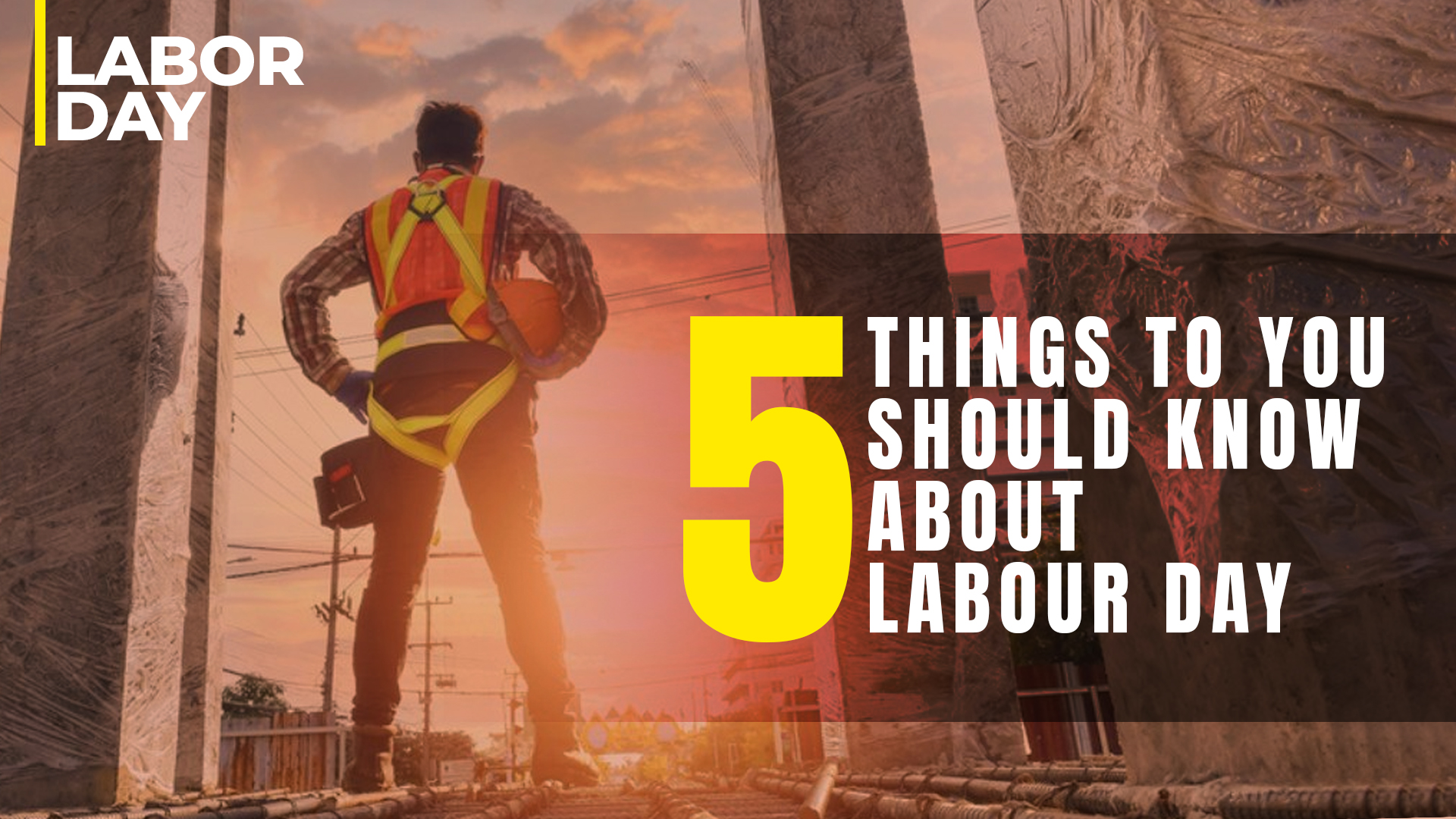
5 Things To you should know about labour Day
Every year on May 1st, we observe or celebrate Labor Day, which recognizes the achievements made by workers in the 1800s to secure their rights in the workplace. The contributions made by these workers include rights and privileges that we enjoy today, such as a minimum wage. This is the reason we celebrate the accomplishments made by Industrial Revolution era workers on Labor Day.
What is Labour Day?
Labor Day is also known as May Day or International Workers’ Day. It originated in the 1800s in the United States, where workers were known to work for up to 12 hours a day without weekends and in difficult and often dangerous working conditions. This was during the height of the Industrial Revolution, when workers were under tremendous pressure to keep up with rapid societal changes.
While there were multiple strikes by workers’ unions during this period, the most famous were the nationwide strikes on May 1st, 1886, by over 300,000 workers across the United States. The most well-known was the Haymarket protest on May 4th in Chicago. These movements led to major reforms and improved working conditions for generations.
May 1st is now an official holiday in many parts of the world, with employees across sectors receiving a day off. Over time, Labour Day has contributed to improved working conditions globally.
5 Rights We Enjoy Because of the Labour Movement
1. Fair working hours
Before the protests began in the late 19th century, workers often worked up to 100 hours per week with no weekends. The demand for an 8 hour workday and a 5 day work week is now a global standard, allowing individuals time for family and personal well-being.
2. Fair pay and minimum wage
Workers fought for fair wages and compensation for overtime. These efforts led to laws ensuring minimum wages and fair pay practices, protecting workers from exploitation.
3. Eradication of child labour
Children as young as five were once employed in hazardous conditions. Labour movements led to laws prohibiting child labour and protecting the education and well-being of young individuals.
4. Formation of unions
Labour unions were formed to strengthen workers’ voices and secure better conditions. They continue to provide a platform for employees to raise concerns and advocate for improvements.
5. Rights for working women
Women played a key role in labour movements, advocating for fair wages, safer workplaces, and better conditions. Their efforts contributed significantly to workplace equality and rights for future generations.
The First Labor Day Celebration in India
Labour Day was first observed in India on May 1st, 1923, led by Malayapuram Singaravelu in Chennai. The event called for May 1st to be recognized as a public holiday and emphasized workers’ unity and rights.
The concept of an 8 hour workday and balanced work life has its roots in early labour protests. Today, many organizations emphasize employee well-being, but these fundamental rights exist because of the struggles of workers who fought for fair and safe working conditions.
To learn more, visit our page on
Linkedin
.